 Pin It
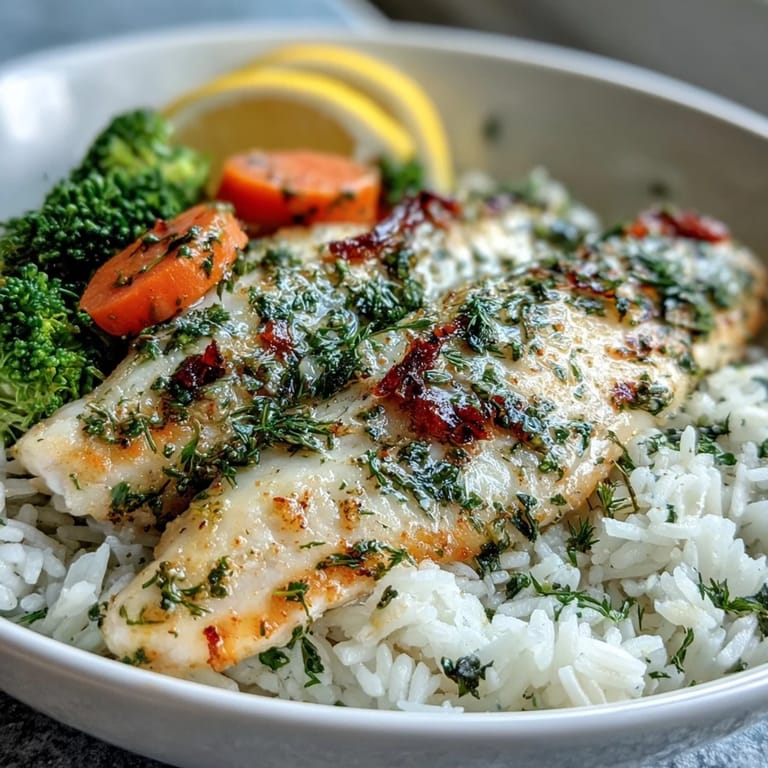
 There's something about a weeknight when everything aligns perfectly—the fish counter has beautiful fillets, you're in the mood for something clean and light, and you actually have thirty minutes to make it happen. That's when this baked tilapia bowl showed up in my kitchen, born from a need for something nourishing that wouldn't require endless cleanup. The first time I assembled it, I was struck by how the steam rising off the rice and vegetables seemed to carry all the herb flavors together, making the whole thing feel more intentional than it actually was.
I made this for my roommate on a Tuesday when she'd been working through lunch and was genuinely hangry by dinner time. She sat at the kitchen counter while I assembled the components, and watching her face when she took that first bite—just pure, uncomplicated satisfaction—reminded me why simple food cooked with attention matters so much more than complicated recipes ever could.
Ingredients
- Tilapia fillets: Four pieces about 150 grams each—they're forgiving fish, not finicky, and their mild flavor lets the herbs shine without any fishy funk.
- Olive oil: Two tablespoons for the herb mixture; good quality makes a noticeable difference in how the flavors develop.
- Lemon juice: One tablespoon brightens everything and prevents the dish from feeling heavy.
- Dried Italian herbs: Two teaspoons of the blend, or make your own mix of parsley, thyme, and oregano for more control.
- Garlic powder: Half a teaspoon adds depth without overpowering the delicate fish.
- Salt and black pepper: To taste—this is where your hand matters, not the measurement.
- Long-grain white rice: One cup serves four people generously; brown rice works if you want more texture and nutrition, just plan for longer cooking.
- Water: Two cups for the rice, plus whatever you need for steaming vegetables.
- Broccoli florets: Two cups cut into bite-sized pieces that steam evenly.
- Carrots: Two medium ones, peeled and sliced thin enough to soften in five to seven minutes.
Tired of Takeout? 🥡
Get 10 meals you can make faster than delivery arrives. Seriously.
One email. No spam. Unsubscribe anytime.
Instructions
- Heat your oven and prep your workspace:
- Get the oven to 200°C (400°F) and line your baking sheet with parchment paper—this prevents sticking and makes cleanup feel like less of a punishment. If you don't have parchment, a light coating of oil works fine, though you'll notice the difference.
- Dry and season the fish:
- Pat those tilapia fillets completely dry with paper towels; any moisture on the surface interferes with the seasoning sticking properly. In a small bowl, whisk together the olive oil, lemon juice, herbs, garlic powder, salt, and pepper until it looks like a loose paste, then brush it generously on both sides of each fillet before arranging them on your prepared sheet.
- Bake the tilapia:
- Slide the baking sheet into the oven and set a timer for 12 to 15 minutes—you're looking for the flesh to turn opaque and flake easily when you test it with a fork. Don't overcook it or the texture becomes dry and sad; it's better to pull it out a minute early than a minute late.
- Start the rice simultaneously:
- While the fish bakes, bring two cups of water and half a teaspoon of salt to a boil in a saucepan, then add the rice and stir it once. Reduce the heat to low, cover tightly, and leave it alone—don't peek, don't stir, just let it do its thing for 15 to 18 minutes if it's white rice, or 35 to 40 minutes if it's brown rice, until all the water is absorbed.
- Steam the vegetables:
- Get a steamer basket set over simmering water—or create one using a colander suspended over a pot if you don't have an official steamer. Add the broccoli and carrot slices and steam for five to seven minutes until they're tender but still have a little resistance when you bite them; oversteaming turns them mushy and defeats the purpose.
- Assemble your bowls:
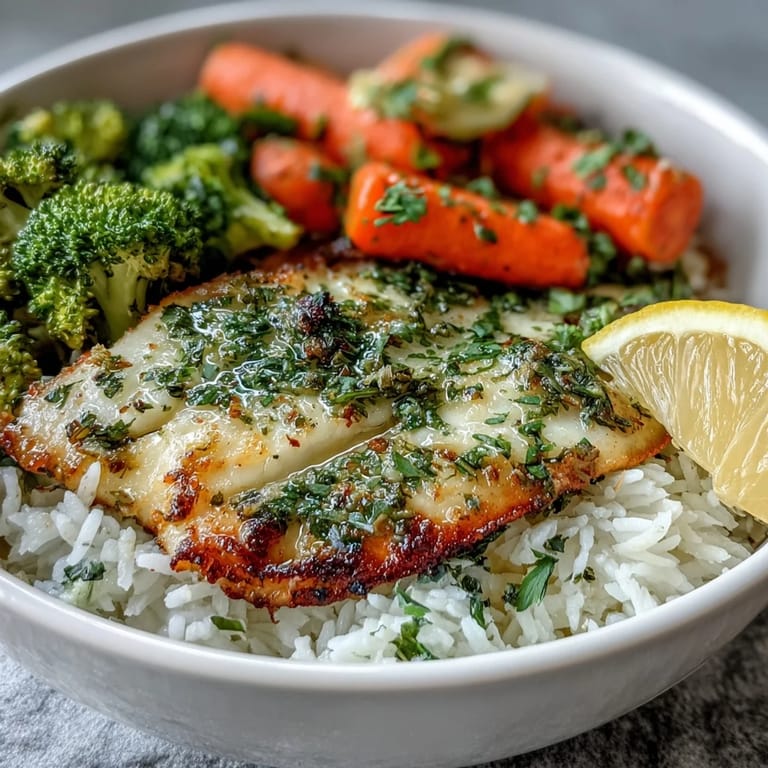
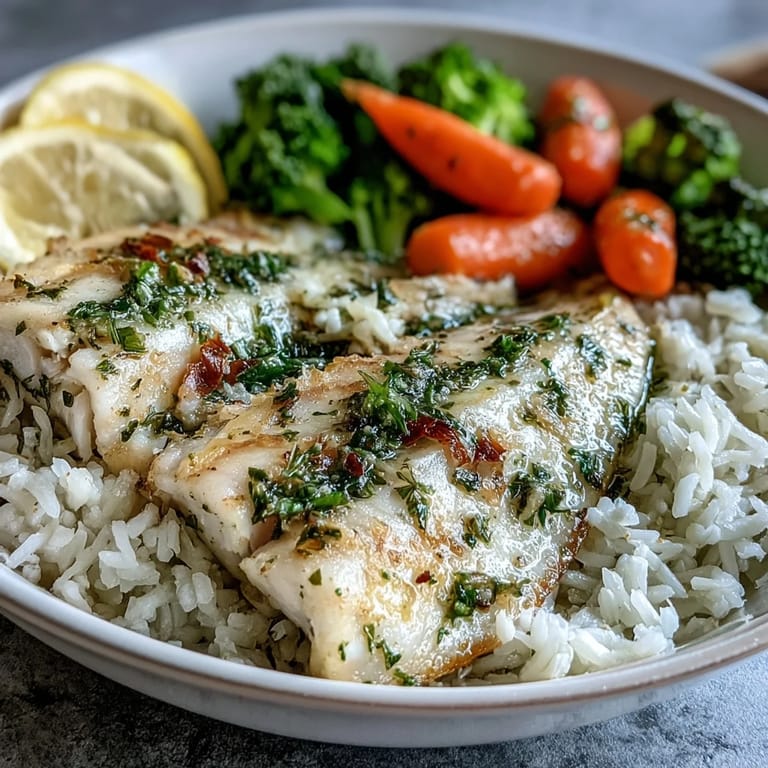
- Divide the fluffy rice among four bowls, top each portion with a beautiful fillet, and pile the vegetables generously on the side. If you want to toss the vegetables with a little olive oil, salt, and pepper, that's when you do it—right before serving, while everything is still warm.
 Pin It
 There was an evening when my nephew came home from soccer practice and asked what we were making, and I let him brush the herb mixture onto the fillets himself. Watching his careful concentration, the way he treated the delicate fish with unexpected gentleness, made me realize this dish has a quality that invites people to slow down and pay attention to what they're making.
Why This Bowl Works
The beauty of this dish lives in its restraint—it doesn't ask you to do anything fancy or intimidating, but it still feels intentional on the plate. The rice absorbs all the subtle flavors from the fish and herbs, the vegetables provide color and texture contrast, and nothing competes for attention; instead, everything supports everything else. It's the kind of meal that tastes like you spent hours fussing, even though you really just orchestrated a few things happening simultaneously.
Making It Your Own
This is genuinely a framework rather than a rigid formula—the fish can be cod or haddock without missing a beat, the rice can become quinoa or farro if that's what you have, and the vegetables are totally flexible depending on what's in your produce drawer. I've made this with Brussels sprouts roasted instead of steamed broccoli, with asparagus when carrots felt tired, and once with a mix of bell peppers and snap peas because that's what needed eating. The core structure stays solid no matter what swaps you make.
Finishing Touches That Matter
The last thing I do before serving is taste everything and adjust the seasoning one final time—a pinch more salt on the vegetables, maybe an extra squeeze of lemon over the fish if it needs brightness. These small moments at the end are where recipes transform from adequate to memorable, where you're not just following instructions but actually cooking.
- Fresh herbs scattered on top at the very end—parsley, dill, or chives—add a pop of color and a hit of fresh flavor that feels fancy without any extra effort.
- A wedge of lemon on the side means people can adjust the brightness to their preference, and honestly, most people want more acid than you think.
- If you have time, a quick toast of the dried herbs in a dry pan before mixing them into the oil brings out their essential flavors and deepens the whole dish.
 Pin It
 This bowl has become my go-to when I want to feel like I cooked something real without the stress that usually comes with that ambition. It's honest food that doesn't apologize and doesn't need to—just good ingredients treated with care.
Your Questions Answered
- → How do I know when the tilapia is fully cooked?
The tilapia is done when it flakes easily with a fork and appears opaque throughout. This typically takes 12-15 minutes at 200°C. Avoid overcooking as the fish can become dry.
- → Can I use frozen tilapia fillets?
Yes, frozen tilapia works well. Thaw completely in the refrigerator overnight, then pat dry before seasoning. Frozen fish may release more moisture, so adjust baking time by a few minutes if needed.
- → What other vegetables work in this bowl?
Try asparagus, green beans, bell peppers, zucchini, or snap peas. Roast them alongside the fish or steam until tender-crisp. Season simply with salt, pepper, and olive oil.
- → Can I meal prep these bowls?
Absolutely. Store components separately in airtight containers for up to 4 days. Reheat fish and vegetables gently in the microwave or oven, and refresh rice with a splash of water before reheating.
- → What can I substitute for the Italian herbs?
Paprika and cumin for a smoky profile, dill and parsley for fresh notes, or Everything Bagel seasoning for savory crunch. Adjust based on your flavor preferences.
- → Is this dish freezer-friendly?
The cooked fish and rice freeze well for up to 3 months. Steam fresh vegetables when reheating rather than freezing them, as they can become mushy after thawing.