 Pin It
 Last summer, I was packing snacks for my nephew's field trip and realized I'd forgotten to prep anything beyond half-eaten granola bars. Standing in front of my vegetable drawer with fifteen minutes to spare, I had this small epiphany: why not layer hummus into cups with whatever was on hand? He came home raving about how he actually ate all his vegetables, and I've been making these ever since whenever I need something that feels both effortless and intentional.
I brought a batch to a potluck once thinking they'd be forgotten in the corner, but people kept sneaking them throughout the evening. Someone asked if I'd made them myself, and when I said yes in about fifteen minutes, they looked genuinely shocked. That's when I realized this wasn't just a quick fix—it's the kind of snack that makes you look like you have your life together, even when you're operating on instinct.
Ingredients
- Hummus: Use store-bought if time matters more than proving a point, but homemade is creamier and worth it if you're feeling ambitious.
- Carrots: Sweet and sturdy enough to stand in hummus without getting soggy immediately.
- Cucumber: Water-packed and refreshing, though cut them not too thin or they'll bend under their own weight.
- Red and yellow bell peppers: The color alone makes these feel special, and the slight sweetness pairs perfectly with salty hummus.
- Snap peas: Eat a few raw while you're prepping—they taste like spring and remind you why you're doing this.
- Cherry tomatoes: Leave them whole unless they're enormous, and pop one in your mouth to make sure they're actually flavorful before adding to cups.
- Celery sticks (optional): Adds a sharp crunch if your crowd likes bitter notes.
- Jicama sticks (optional): A surprise element that tastes like sweet, crisp water and makes people ask what it is.
Tired of Takeout? 🥡
Get 10 meals you can make faster than delivery arrives. Seriously.
One email. No spam. Unsubscribe anytime.
Instructions
- Wash and prep your vegetables:
- Rinse everything under cold water while thinking about where you're going to eat these. Cut carrots and cucumbers into sticks thick enough that they won't snap, bell peppers into strips about the width of your pinky finger, and leave snap peas whole if they're small.
- Divide the hummus:
- Spoon roughly a quarter cup into each cup or jar, smoothing the top gently with the back of your spoon. This is your canvas, and honestly, it doesn't need to look perfect.
- Arrange the vegetables:
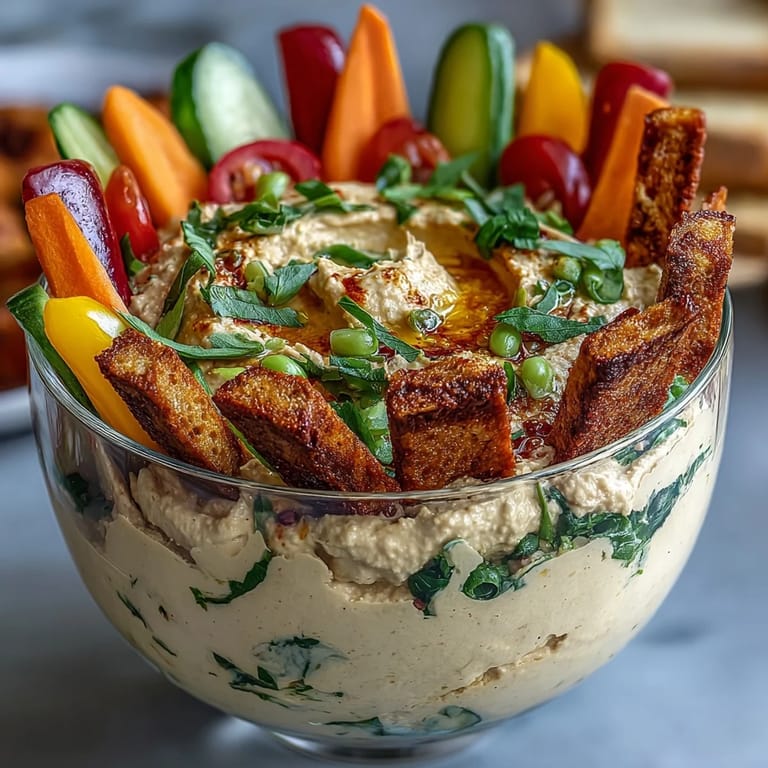
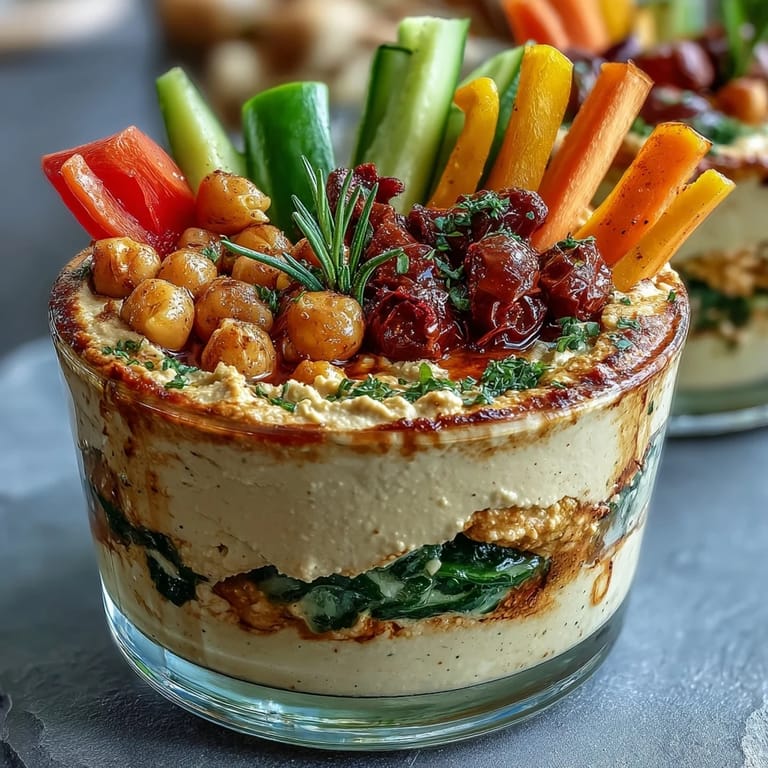
- Stand your vegetable sticks upright in the hummus like you're planting a tiny, edible garden. Mix colors and textures so every reach into a cup feels like a surprise.
- Seal and chill:
- Snap the lids on and refrigerate until you need them. They're best eaten within two days, after which the vegetables start to soften and look a bit sad.
 Pin It
 My daughter once brought these to a soccer tournament, and when I picked her up, she told me her coach ate three cups and asked for the recipe. It felt like winning, honestly—not because the snack was complicated, but because something this simple had somehow impressed an actual adult. That's the quiet magic of these cups: they prove that effort and care don't have to look flashy to matter.
Flavor Customization Ideas
The beauty of these cups is how they adapt to whatever you have or whatever mood you're in. I once stirred zahaar and pomegranate molasses into the hummus when I was feeling Mediterranean, and another time I just drizzled olive oil with a crack of black pepper and called it a day. The vegetables are really just vehicles for whatever hummus variation you dream up, so think of them as a starting point rather than a strict formula.
Seasonal Swaps That Actually Work
Spring calls for asparagus tips and fresh radishes, summer begs for corn kernels and blanched green beans, and fall is when I throw in raw broccoli florets that somehow taste better in cooler weather. Winter strips you down to the hardy vegetables, but that's actually when these cups feel most necessary—a bright spot in packed lunches when everything outside is gray. The point is that your vegetable choices don't have to match anyone else's vision of what these cups should be.
Making These Actually Portable
The difference between snack cups that make it to their destination intact and ones that arrive as a vegetable smoothie in the bottom of a backpack is honestly just the lid situation. I learned this the hard way after my son's soccer bag smelled like mushed hummus for a week, so now I'm religious about those small, tight-sealing containers. If you're stacking them in a cooler or bag, stand them upright rather than laying them flat, and maybe wrap the whole thing in a small cloth to keep things civilized.
- Pack them in a small cooler with an ice pack if you're leaving the house for more than a few hours.
- Fill them right before you leave if possible, because vegetables release moisture and the hummus gets wetter as time passes.
- Remember that these are sturdy enough for actual adventures, not just sitting on a desk at work.
 Pin It
 These cups have quietly become my answer to almost every snack emergency, which is saying something. There's something deeply satisfying about feeding people something that's both honest and easy.
Your Questions Answered
- → How long do these snack cups stay fresh?
They stay fresh for up to 2 days when covered and refrigerated, preserving the crispness of the vegetables and creaminess of the hummus.
- → Can I use different vegetables in the cups?
Absolutely! Swap in seasonal veggies like green beans, radishes, or broccoli florets to suit your taste and availability.
- → What are some flavor tips to elevate the hummus?
Sprinkle paprika, zaatar, or drizzle olive oil on top of the hummus before adding veggies for an extra burst of flavor.
- → Are these snack cups suitable for gluten-free and dairy-free diets?
Yes, these cups are naturally gluten-free and dairy-free. Just confirm herb mixes and hummus ingredients to be sure.
- → Can I add protein to these cups?
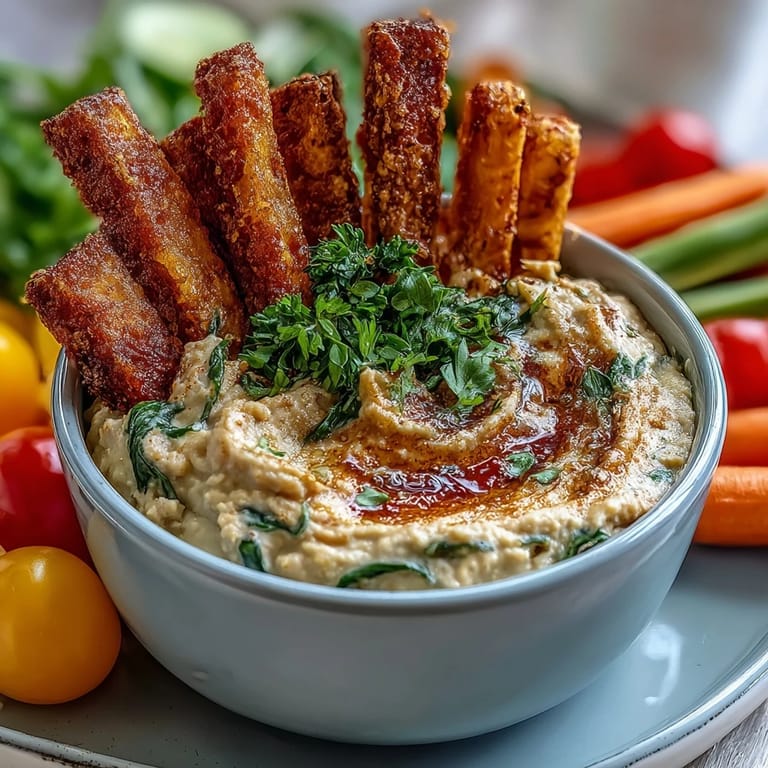
Yes, consider adding baked tofu sticks or cheese cubes if dairy-free restrictions do not apply for a protein boost.