 Pin It
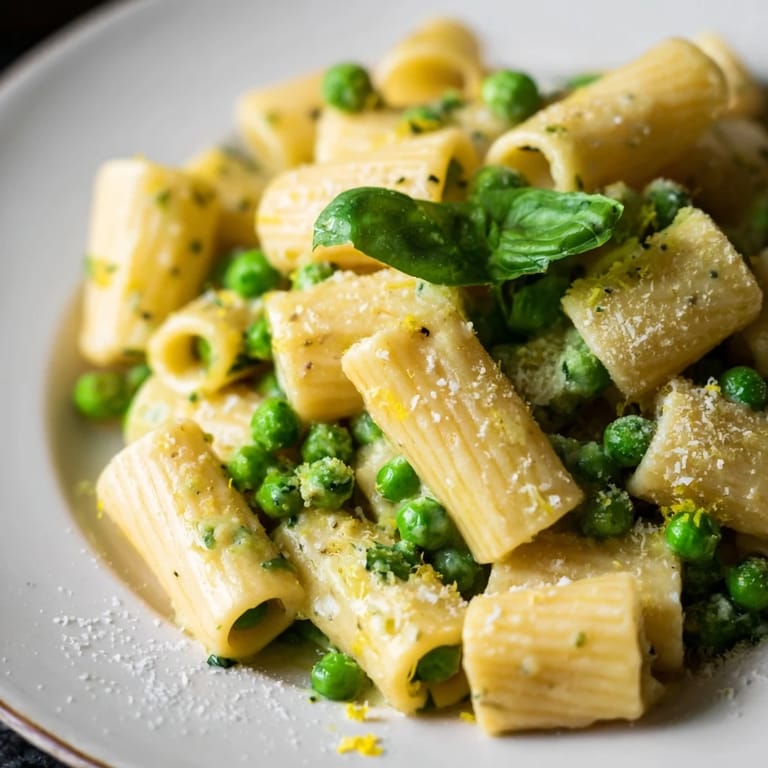
 The first time I made this ricotta pasta, I was rushing to get dinner on the table before friends arrived. I'd somehow convinced myself that homemade pasta sauce took hours, so this ten-minute miracle felt like discovering a cheat code. Now it's my go-to when I want something that feels elegant but actually requires zero effort.
Last summer, my sister came over exhausted from work and I made this for her. She took one bite, closed her eyes, and said she felt like she was eating at an Italian grandmother's table. Sometimes the simplest ingredients combined thoughtfully hit harder than the most complicated dishes.
Ingredients
- 400 g rigatoni: The ridges catch the creamy ricotta sauce perfectly, but penne works just as well
- 250 g ricotta cheese: Use whole milk ricotta for the creamiest results and let it come to room temperature first
- 1 lemon, zested plus 2 tbsp juice: Microplane the zest carefully to avoid the bitter white pith
- 2 tbsp extra-virgin olive oil: This bridges the gap between the ricotta and pasta, creating silkiness
- 1 small garlic clove, finely grated: Grating distributes the garlic evenly without harsh chunks
- 40 g grated Parmesan cheese: Adds salty depth that balances the bright lemon
- 200 g green peas: Frozen peas work beautifully here and are often sweeter than fresh
- Salt and black pepper: Taste as you go, since Parmesan already brings saltiness
- Extra Parmesan and fresh herbs: Basil or mint add a fresh finish that cuts through the richness
Tired of Takeout? 🥡
Get 10 meals you can make faster than delivery arrives. Seriously.
One email. No spam. Unsubscribe anytime.
Instructions
- Boil the pasta water generously:
- Bring a large pot of water to a rolling boil and add enough salt so it tastes like the sea
- Cook the rigatoni:
- Add pasta and cook until al dente, reserving 120 ml of the starchy cooking water before draining
- Blanch the peas:
- Toss frozen peas into the boiling water during the last 2 to 3 minutes of pasta cooking time
- Whisk the ricotta base:
- In a large bowl, combine ricotta, lemon zest, lemon juice, olive oil, grated garlic, Parmesan, salt, and pepper until smooth
- Combine everything:
- Add hot pasta and peas to the ricotta mixture, tossing well and adding pasta water as needed for a silky coating
- Serve immediately:
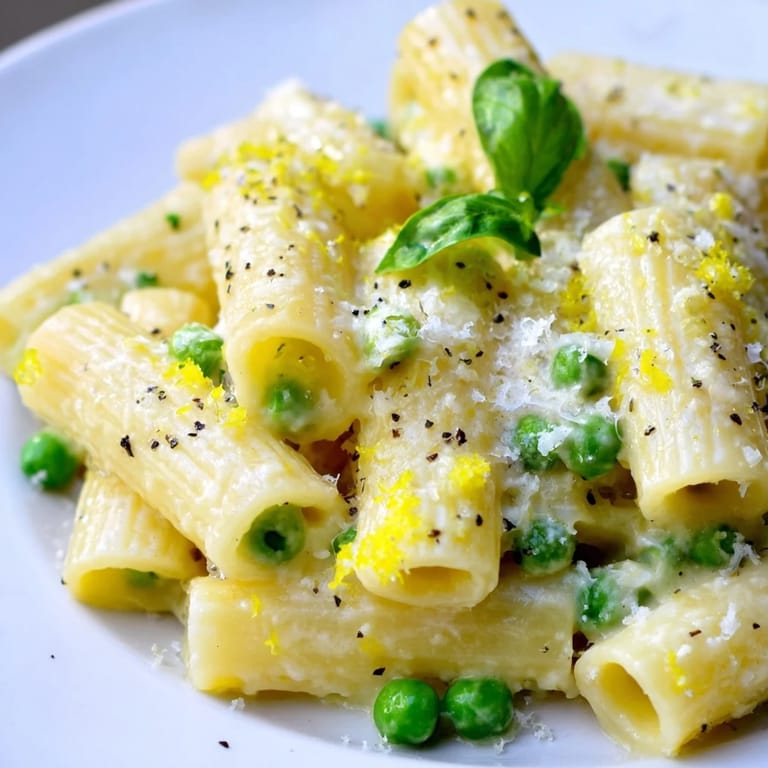
- Plate while hot, topping with extra Parmesan, fresh herbs, and additional lemon zest if desired
 Pin It
 My youngest nephew usually picks out anything green, but he devoured this pasta without hesitation. The peas become sweet little pops of flavor when they're cooked with the pasta, and somehow that makes all the difference.
Making It Your Own
I've added handfuls of baby spinach to the boiling pasta during the last minute for extra color and nutrients. A pinch of red pepper flakes creates a gentle warmth that cuts through the creaminess, and toasted pine nuts add a buttery crunch that takes this to dinner party status.
Pasta Shape Matters
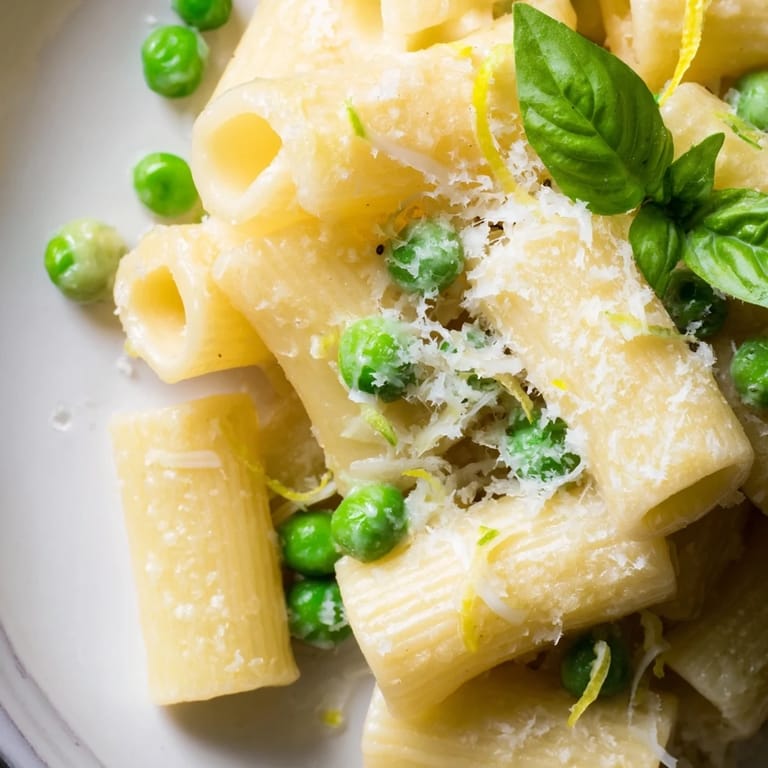
While rigatoni's ridges are perfect for holding onto the ricotta, short pasta like fusilli catches sauce in its spiral curls. Long shapes like fettuccine work too but the sauce coats more evenly on pasta with nooks and crannies.
Timing Is Everything
The beauty of this recipe is how the components cook simultaneously, but having everything prepped before you turn on the water makes it feel effortless rather than frantic.
- Grate your garlic and lemon zest while the water heats up
- Mix the ricotta base before draining the pasta
- Always reserve more pasta water than you think you'll need
 Pin It
 There's something deeply satisfying about a dish that looks and tastes impressive but comes together faster than delivery would arrive. That's the magic of this pasta.
Your Questions Answered
- → Can I make this pasta ahead of time?
This dish is best served immediately while the sauce is creamy and the pasta is perfectly coated. The ricotta sauce tends to thicken as it sits, so reheating may require additional pasta water to restore the silky consistency. For meal prep, store components separately and combine just before serving.
- → What other pasta shapes work well?
Rigatoni's ridges and tube shape are ideal for holding the creamy ricotta sauce, but penne, fusilli, or cavatappi are excellent alternatives. Short pasta with texture works better than long strands like spaghetti, which don't capture the thick ricotta mixture as effectively. Choose shapes with nooks and crannies to maximize sauce adherence.
- → Can I use fresh peas instead of frozen?
Absolutely—fresh peas work beautifully and taste even sweeter. Shell fresh peas and blanch them for 2-3 minutes in boiling water until tender. If using frozen peas, add them directly to the pasta water during the last few minutes of cooking. Both methods yield bright, sweet peas that complement the lemon and ricotta perfectly.
- → How do I prevent the ricotta sauce from becoming grainy?
Room temperature ricotta blends more smoothly than cold. Whisk the ricotta mixture thoroughly before adding hot pasta, and use reserved pasta water to create a silky emulsion. The hot pasta and starchy cooking water help melt and integrate the ricotta, creating a creamy, cohesive sauce rather than a separated, grainy texture.
- → Can I add protein to make it more filling?
Grilled chicken, pan-seared shrimp, or crispy pancetta make excellent additions without overpowering the delicate flavors. For vegetarian protein, consider adding white beans or toasted pine nuts for crunch. Keep additions relatively light to maintain the dish's fresh, spring character while making it more substantial for heartier appetites.